


On 10 September 2026, Ukrainian stakeholders confirmed the priorities set by an EU-funded assessment of their pilot wastewater treatment plants in Drohobych, Kremenchuk and Pustomyty. The United Nations Industrial Development Organization (UNIDO), implementing partner of the EU4Green Recovery East programme, carried out the assessment and presented the results at a consultation with the wastewater utilities, technical experts and the Ministry for Recovery, Infrastructure and Transport of Ukraine.
Utilities confirm the priorities
Through the assessment, expert recommended:
- in Drohobych, reconstructing old treatment units, replacing a damaged pressure pipe and managing sludge sustainably;
- in Kremenchuk, treating and reusing sludge, installing efficient pumps and exploring solar power;
- in Pustomyty, where a first reconstruction phase is complete, repairing pipes and expanding solar power.
The utilities confirmed these priorities and stressed the importance of addressing sludge (the semi-solid residue left after wastewater is cleaned), replacing energy-inefficient equipment, repairing wastewater transporting pipes and linking renewable energy measures with wider modernisation efforts.
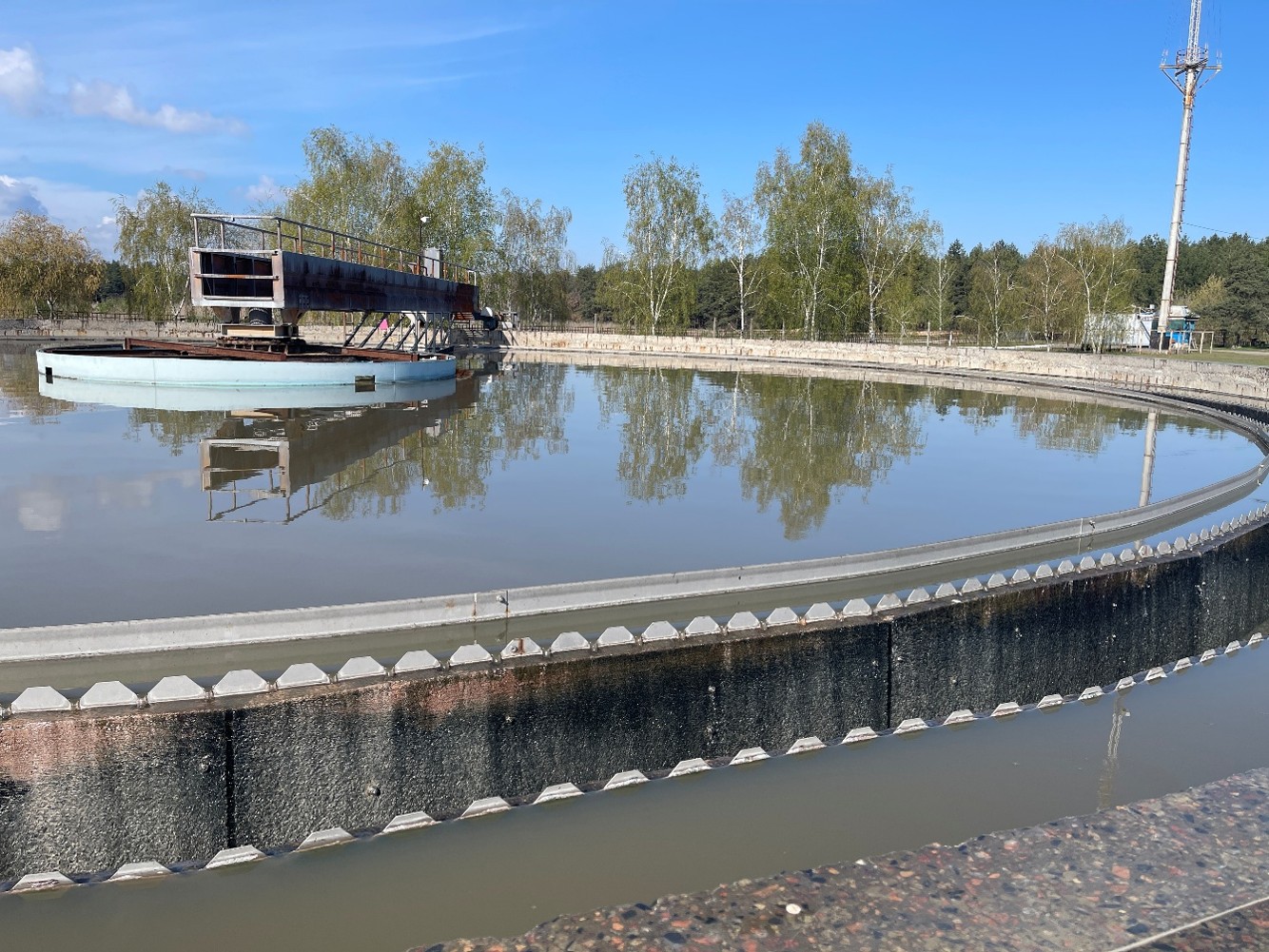
Technical assessments were conducted through site visits to assess the condition and treatment performance of the three facilities. In our interview, Ukrainian wastewater expert Olena Panchenko, who contributed to the assessment, explains how better treatment protects rivers and public health, and why energy-efficient plants matter for Ukraine today.
Looking beyond the plant
On 3 September 2026, experts presented the first findings at the conference ‘From Recovery to Resilience: Green Pathways for Ukraine’s Water Utilities’ in Truskavets, organised by UNIDO. Discussions showed that problems can start before wastewater reaches a plant. In Drohobych, incoming wastewater is less polluted than expected for the volume received and population served, which may point to weaknesses in the sewer network. Participants suggested that future planning should cover sewers as well as plants.
Why these three plants?
Baseline assessments of Ukraine’s wastewater sector, completed under the programme in December 2025, guided the choice of these plants. Ukraine already treats most of its wastewater biologically, but many plants are outdated, energy-intensive and lack modern sludge management. The programme selected two large plants, in Drohobych and Kremenchuk, with strong potential for energy recovery, and a smaller one in Pustomyty to test solutions for medium-sized communities.
Next step: feasibility studies
Feasibility studies will compare technical options and their costs. In Drohobych. The shortlisted measures for feasibility studies include rehabilitating influent wastewater pipes, replacing outdated equipment, reconstructing settling tanks, where solids sink, and aeration tanks, where air helps bacteria break down pollution. They will also look at installing more energy-efficient systems in Drohobych and examine sustainable sludge-treatment solutions in Drohobych and Kremenchuk and solar panels in Pustomyty.
With this work, the EU is helping Ukrainian communities prepare investment-ready solutions to strengthen wastewater treatment.
Credit picture: Olena Panchenko