



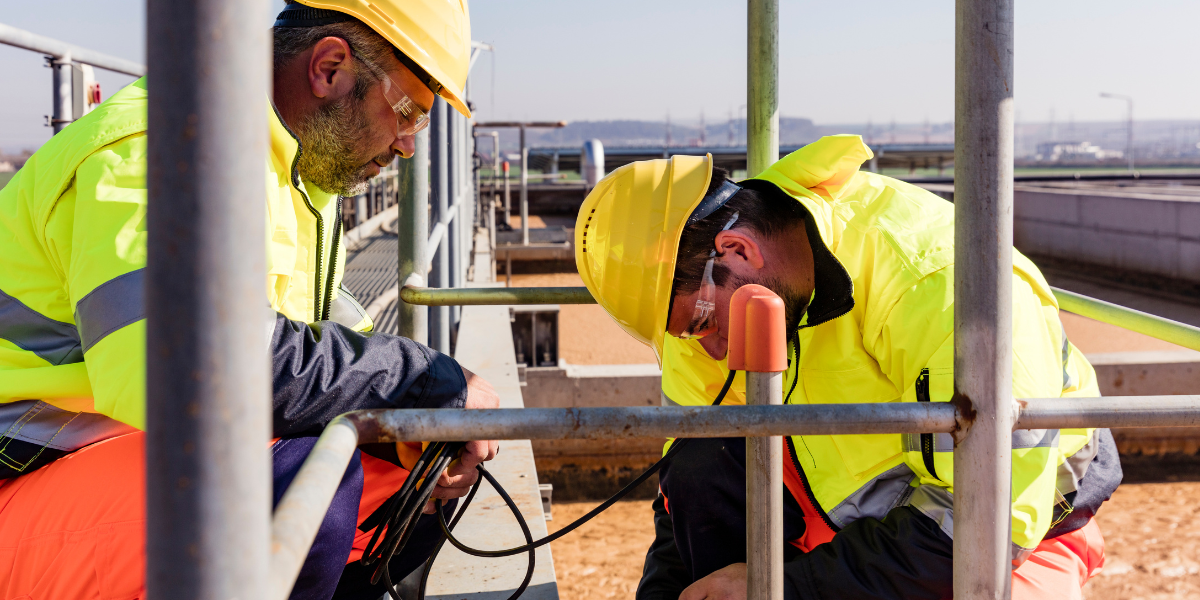
Pilot feasibility studies launched in Moldova and Ukraine by EU4Green Recovery East
As part of the EU4Green Recovery East programme, baseline assessments of wastewater treatment infrastructure were completed in Armenia, Moldova, and Ukraine in December 2025. Conducted by United Nations Industrial Development Organisation (UNIDO), these studies provide an overview of wastewater treatment performance in the three countries, highlighting opportunities to boost energy efficiency and show that wastewater can be a resource rather than a cost—supporting both environmental protection and the circular economy.
The assessments also guided the selection of pilot feasibility studies in Moldova and Ukraine, where wastewater treatment plants will test energy-efficient solutions and ways to recover energy from sludge. Summaries of all three country assessments will be soon available on our website. The three countries are at very different stages in their wastewater sectors, requiring tailored follow-up actions.
Moldova: turning sludge from wastewater treatment into a resource
Moldova’s wastewater sector faces major challenges related to limited coverage, ageing infrastructure, and weak sludge management. At the same time, recent legislative reforms and EU candidate status create strong momentum for transformation. The programme selected three pilot wastewater treatment plants (Căușeni, Fălești, and Ungheni) to explore energy efficiency and resource recovery. Căușeni and Fălești focus on improving sludge management and developing energy recovery from sludge, while Ungheni—serving a large city with an industrial park—demonstrates opportunities to reduce energy consumption.
Ukraine: scaling solutions despite challenging wartime conditions
Ukraine operates a large and technically advanced wastewater sector, with most wastewater already receiving biological treatment. However, many facilities are outdated, energy-intensive, and lack modern sludge management solutions. Three pilot wastewater treatment plants were selected: two large facilities (Drogobych and Kremenchuk) offering significant potential for energy recoveryand one smaller plant (Pustomyty) to test solutions suitable for medium-sized communities. The results will support national efforts to modernise wastewater infrastructure while reducing operating costs and greenhouse gas emissions.
Armenia: Building capacity and preparing for future upgrades
In Armenia, wastewater treatment remains largely mechanical, with minimal pollutant removal. Energy consumption at existing facilities is low. Under current conditions, opportunities for energy recovery, sludge valorisation, or biogas production are not yet feasible. As a result EU4Green Recovery East will not include pilot feasibility studies in Armenia at this stage. Instead, it will focus on capacity building and strategic support, helping decision-makers, municipal engineers, and policy institutions strengthen technical skills, align with EU Urban Wastewater Treatment Directive requirements, and prepare bankable investment projects for future infrastructure upgrades.