


How can wastewater treatment plants become drivers of energy efficiencyand the circular economy? This question was at the heart of the EU Green Week 2026 partner eventInnovative solutions for energy efficiency of wastewater treatment plants: Experience from successful case studies, held online on 2 June 2026.
Organised by UNIDOunder the EU-funded EU4Green Recovery East programme, the event brought together over 60 stakeholders from across the European Union and the EU’s Eastern Partnership countries. It explored practical solutions tomodernise wastewater infrastructure while reducing environmental impacts and operational costs.
Sharing experience with EU’s Eastern Partnership countries
Wastewater treatment plants play a critical role in protecting water quality and public health, but they are also highly energy-intensive, with electricity representing a significant share of operational costs.
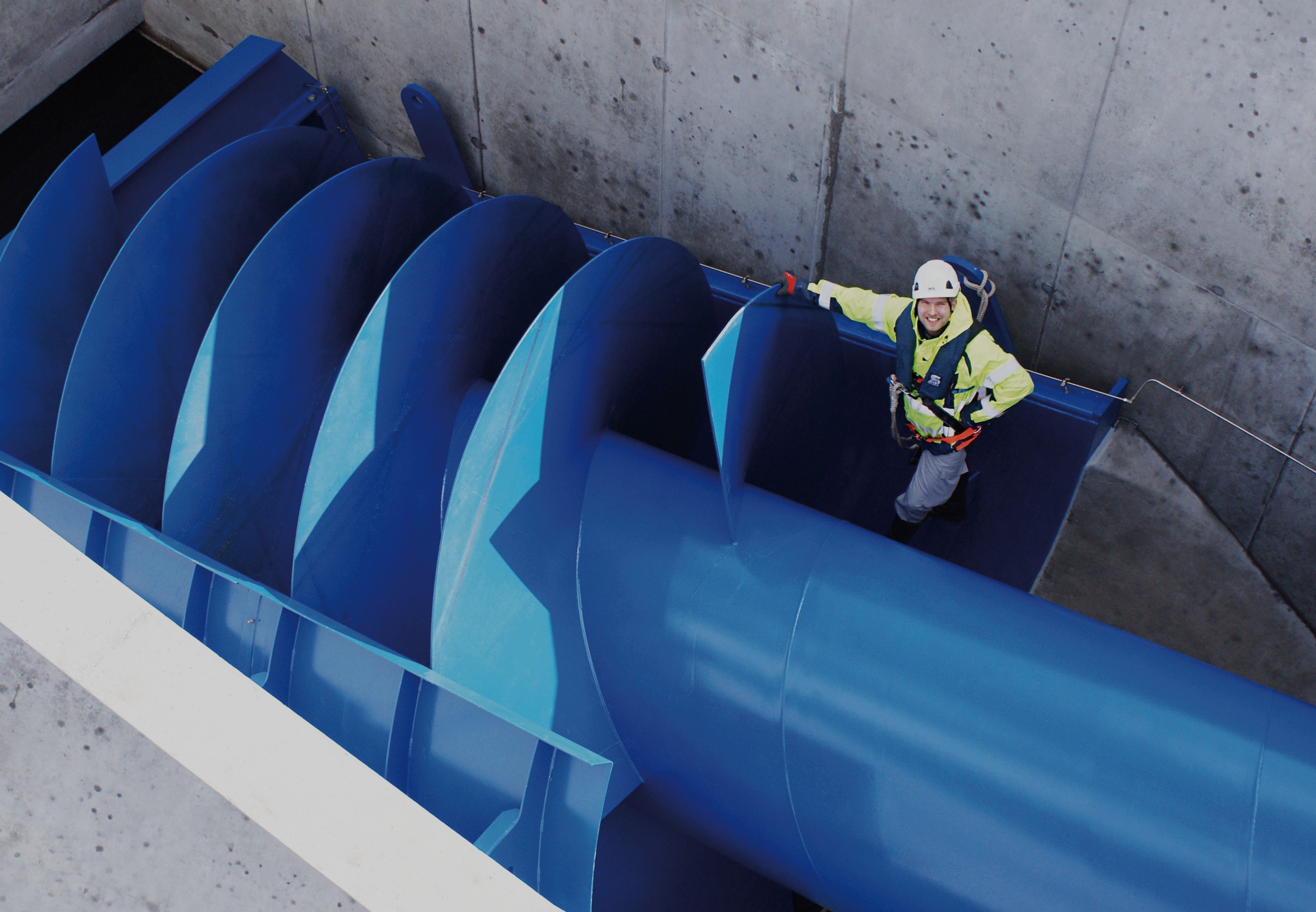
The event provided a platform for utilities, technology providers and research institutions to share practical experience in improving the performance of wastewater treatment plants. Three case studies highlighting innovative technologies for energy efficiency and resource recovery in wastewater treatment were presented during the event, including energy generation and recovery at the Vienna wastewater treatment plant, AI-driven optimisation of energy consumption, and cellulose recovery in wastewater treatment processes.
These experiences provided practical insights for Eastern Partnership countries working to improve wastewater services and align with evolving EU environmental standards. A key reference point is the revised Urban Wastewater Treatment Directive (2024), which sets ambitious targets for energy neutrality in wastewater treatment plants and requires larger facilities to progressively increase renewable energy use.
Although these requirements currently apply only to EU Member States, they are an important benchmark for Eastern Partnership countries engaged in approximation with EU environmental legislation.
A new catalogue of best practices
A key highlight of the event was the presentation of the new EU Best Practices on Wastewater Treatment: Energy Efficiency and Sludge Valorisation Solutions catalogue, developed under the EU4Green Recovery East programme.
The publication brings together case studies from EU Member States, showcasing proven solutions that help wastewater treatment plants reduce energy use, generate renewable energy and recover valuable resources from sewage sludge, while maintaining or improving treatment performance.
The catalogue is particularly relevant for partner countries facing the dual challenge of modernising wastewater infrastructure and managing rising energy costs under constrained public budgets. The case studies demonstrate that significant improvements can often be achieved through targeted and incremental measures without necessarily requiring major infrastructure investments.
Supporting the green transition in the EU’s Eastern Partnership countries
The catalogue forms part of EU4Green Recovery East's broader support for sustainable water and wastewater management in EU’s Eastern Partnership countries. Through technical assessments, feasibility studies and capacity-building activities, the EU-funded programme helps partnern countries identify practical pathways towards more resource-efficient and climate-resilient wastewater services.
Feasibility studies will be carried out at selected wastewater treatment plants in the Republic of Moldova and Ukraine, helping identify technically and economically viable measures for process optimisation, energy efficiency, and resource recovery.
By connecting EU experience with Eastern Partnership needs, the EU Green Week event demonstrated how innovative wastewater solutions can support the transition towards a more circular and resilient economy.
Credit picture: Karl Wögerer