


How can Nature-based Solutions (NbS) move from promising concepts to large-scale responses to water, climate and biodiversity challenges? This question was at the heart of the EU Green Week 2026 partner event “Scaling Nature-based Solutions in the EU’s Eastern Partnership: from ambition to implementation”, organised online on 2 June 2026 by the International Office for Water (OiEau) under the EU4Green Recovery East programme.
The event brought together representatives from the European Commission, EU’s Eastern Partnership countries, international financial institutions, OECD, IUCN, NGOs, infrastructure designers and environmental experts to explore how Nature-based Solutions can be technically robust, economically viable and institutionally embedded across the region.
Nature-based Solutions in EU policy frameworks
Nature-based Solutions are no longer experimental approaches. Over the past decade, they have become an established component of EU environmental and climate policy, embedded in key frameworks including the EU Biodiversity Strategy for 2030, the Climate Adaptation Strategy, the Water Framework Directive implementation agenda, the Nature Restoration framework, and the emerging Water Resilience approach.
In this context, Nature-based Solutions are increasingly recognised not only as environmental good practice, but also as economic and social investments that reduce risks to climate change, and deliver long-term socio-economic value.
Ensuring credibility through recognised standards
Participants discussed the importance of applying international standards such as the IUCN Global Standard for Nature-based Solutions, which helps ensure quality design, implementation and monitoring.
Scaling Nature-based Solutions requires clear criteria for environmental integrity, transparent impact assessment, and strong alignment with policy objectives, particularly in water management and climate adaptation.
Incorporating Nature-based Solutions into planning processes
The event also examined how Nature-based Solutions can be effectively integrated into River Basin Management Plans and broader water governance frameworks, in order to move beyond pilot projects.
Successful implementation depends on enabling conditions: reliable environmental data, strong institutional coordination, stakeholder engagement, and long-term planning capacity.
Financing Nature-based Solutions
While Nature-based Solutions often deliver multiple benefits at relatively low cost compared to grey infrastructure, they still require structured financing mechanisms, clear business cases, and supportive policy environments.
Lessons learned showed that blending public funding with donor support and innovative financing tools can help scale Nature-based Solutions beyond pilot initiatives.
Eastern Partnership country experiences: from ideas to action
Concrete examples from Armenia and Ukraine illustrated how Nature-based Solutions are already being implemented.
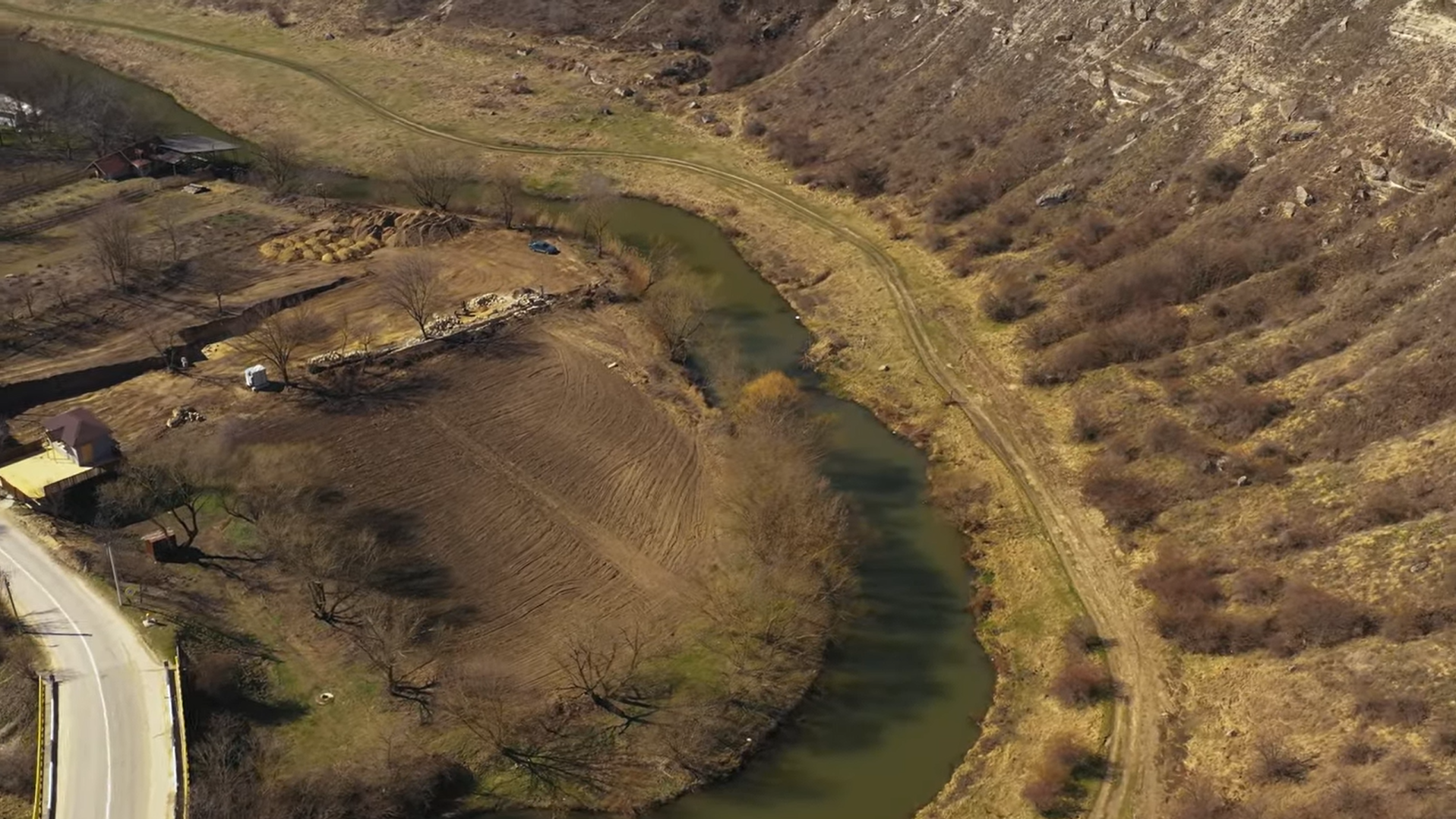
In Ukraine, dam removal projects supported by WWF demonstrate how river restoration can improve ecosystem connectivity and biodiversity.
In Armenia, EU4Sevan+ shows how integrated ecosystem management can support lake and watershed restoration while improving environmental resilience.
A key resource: Nature-based Solutions Catalogue
A reference point in the discussion was the Catalogue of Nature-Based Solutions for water management in the Eastern Partnership countries, developed under the EU-funded programme EU4Environment – Water Resources and Environmental Data (2020-2024).
The catalogue presents 34 documented solutions to restore rivers, improve water quality, address hydromorphological changes, and enhance biodiversity while supporting climate adaptation.
Designed as a practical tool, it provides implementation guidance and financing options. It helps countries identify the most suitable solutions for their local context. The catalogue is available in Armenian, Georgian, Romanian and Ukrainian