



Representatives of public authorities, international organisations, local authorities, farmers’ associations and civil society gathered in the Republic of Moldova on 25 March 2026 to discuss how rainwater harvesting can help address growing water shortages and improve climate resilience.
The workshop, organised by the United Nations Economic Commission for Europe (UNECE) under the EU-funded EU4Green Recovery East programme, focused on opportunities and challenges linked to rainwater harvesting (RWH).
Rainwater harvesting helps households and farms adapt to climate change
Participants discussed how rainwater harvesting could support households and small farms, especially in areas beyond existing water distribution networks. The discussions also reflected the growing importance of water-efficient practices promoted under the European Commission Recommendation 2025/1179 on the “Water Efficiency First” principle.
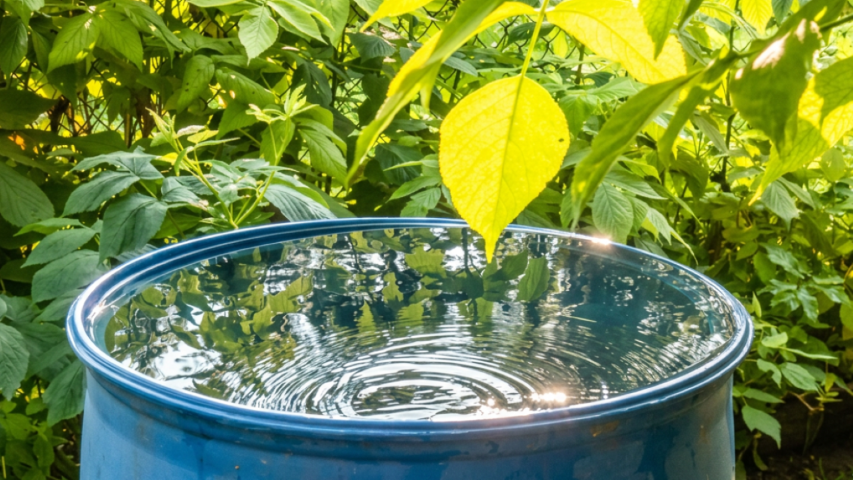
Rainwater harvesting is increasingly recognised as an alternative source of water in response to climate change and shifting hydrological patterns. Participants highlighted two main approaches already used in Moldova: rooftop rainwater collection for households and small farms, and the capture of concentrated runoff through small ponds and water retention systems.
The workshop also examined the legislative and financial framework for rainwater harvesting in the Republic of Moldova. While current legislation addresses water disposal and protection, participants noted the absence of clear rules and incentives for the reuse of rainwater, including subsidy mechanisms and technical standards for storage and filtration systems.
International experience and ongoing projects
Experts shared examples from the European Union and other countries, where rainwater harvesting is encouraged through financial incentives, technical guidance and integration into wider water management strategies.
Participants reviewed several projects already implemented in Moldova by international partners. They also presented ongoing projects, including a five-year AFD-supported initiative investing €5.5 million in small-scale irrigation infrastructure based on water harvesting systems.
Recommendations for future action
The workshop concluded with several recommendations, including the need to develop clear and practical guidelines on water harvesting systems, promote affordable systems for households and farmers, strengthen public awareness and training, and integrate rainwater harvesting into national water strategies.
Participants also stressed the importance of monitoring international scientific and policy developments to ensure that rainwater harvesting contributes to sustainable water management without negatively affecting natural hydrological processes.
More information about the workshop, including the agenda, participants list and report, is available here: https://unece.org/environmental-policy/events/eu4green-recovery-east-workshop-rainwater-harvesting-moldova-experience