


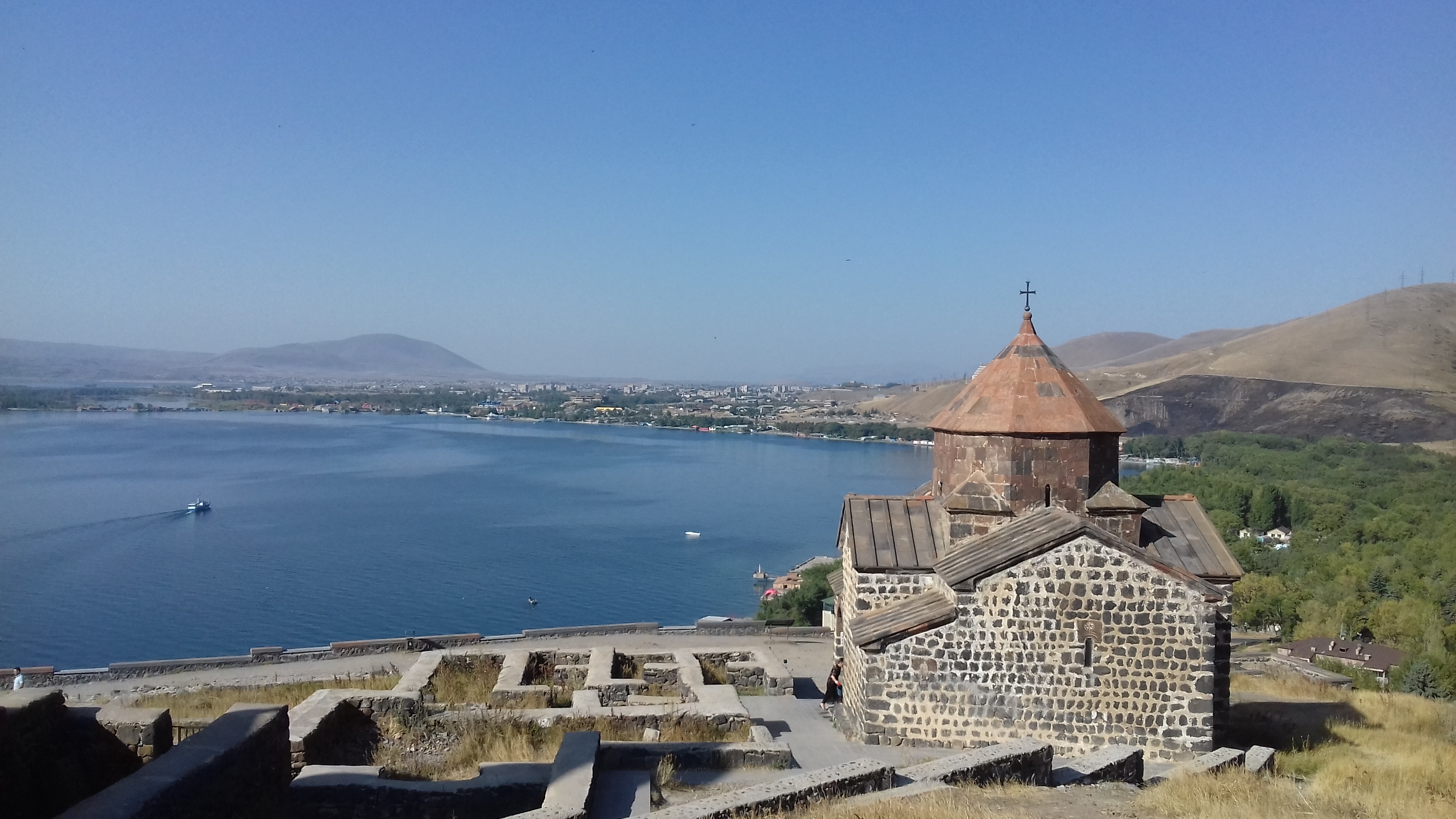
On Lake Sevan Day, attention turns to one of Armenia's most treasured natural landmarks. Often called the country's "blue jewel”, Lake Sevan provide water for irrigation, supports biodiversity, attracts many visitors and sustain local livelihoods. Protecting this unique freshwater ecosystem is a national priority, yet pollution from households, agriculture and human activities continues to put pressure on its waters.
" Raising Lake Sevan’s water level is extremely important, but it is not enough to restore the lake’s health. We need to look at water quantity, water quality and ecosystems together. If we do not improve wastewater treatment, reduce nutrient inflows and manage water withdrawals, Sevan may still be a large lake in 20 years, but it could be warmer, with poorer water quality and a more vulnerable ecosystem." says Lilit Abrhamyan, Head of Water Policy Department at the Ministry of Environment of the Republic of Armenia.
The European Union is supporting Armenia’s efforts through two EU-funded projects. EU4Sevan+ focuses on water management and wastewater treatment in the Sevan River Basin, while the regional EU4Green Recovery East programme helps Armenia and other EU Eastern Partnership countries improve water management, reduce pollution and align with EU environmental legislation.
Together, the projects are exploring how nature-based solutions can complement conventional wastewater management and help reduce pollution reaching Lake Sevan.
Protecting Lake Sevan from pollution
Wastewater treatment plants are essential for tackling pollution from identifiable sources such as households and industries. But they cannot address every type of pollution affecting the lake.
One challenge is diffuse pollution, which comes from many sources spread across the landscape. Around Lake Sevan, agriculture is one of these sources. Rainfall and snowmelt can wash nitrates from fertilisers and livestock manure into streams and rivers that flow into the lake. These nutrients can fuel excessive algae growth, reducing water quality and threatening aquatic ecosystems.
Nature as part of the solution
Nature-based solutions could help reduce nitrates reaching rivers before they enter Lake Sevan. Vegetated riverbanks and natural buffer strips can slow water down and help trap nutrients.
One promising area of collaboration is developing a Code of Good Agricultural Practices, drawing on the principles of the EU Nitrates Directive. Better management of fertilisers and livestock manure could help reduce nutrient pollution before it reaches rivers and, ultimately, Lake Sevan.
" For farmers in the Lake Sevan basin, the quickest visible results can be achieved not by restricting agriculture, but through more precise management of fertilisers, manure, and irrigation. This is important because nitrogen and phosphorus are major drivers of Sevan’s eutrophication, and agriculture is a significant source of both. In other words, to protect Sevan, farmers should not be told to produce less; they should be helped to produce more efficiently from the same land, so that fertilisers and manure nourish the plants rather than Lake Sevan." says Lilit Abrhamyan, Head of Water Policy Department at the Ministry of Environment of the Republic of Armenia.
Combining infrastructure and nature
Protecting Lake Sevan will require different solutions: wastewater treatment infrastructure, sustainable farming practices and carefully adapted nature-based solutions, all have a role to play.
By combining scientific expertise, local knowledge and European experience, EU4Sevan+ and EU4Green Recovery East are helping identify practical ways to safeguard one of Armenia's most valuable freshwater ecosystems.